Online shoe shopping offers convenience and variety, but protecting your financial information remains crucial. As digital transactions become standard, understanding payment security helps you shop confidently for comfortable footwear without compromising your data. Modern payment options, including instant bank transfer casino methods as well as other platforms and ways to pay for goods or entertainment, provide various levels of security and convenience for European customers. Recognizing secure payment practices ensures your personal and financial details stay protected while you find the perfect pair of shoes.
Payment Security Fundamentals
Before making any online purchase, verify the website’s security credentials. Look for indicates a secure, encrypted connection. A padlock icon in your browser’s address bar confirms this encryption. Legitimate shoe retailers invest in SSL certificates to protect customer data during transactions.
Check if the website displays security badges from recognized authorities like Trusted Shops or TRUSTe. While badges alone don’t guarantee safety, their presence indicates the retailer takes security seriously. Review the store’s privacy policy to understand how they collect, use, and protect your information. Reputable retailers clearly explain their data handling practices.
Choosing Safe Payment Methods
Not all payment options offer equal protection. Understanding the security features of different payment methods helps you make informed decisions when purchasing footwear online.
Credit and Debit Cards
Credit cards typically provide the strongest consumer protection. European regulations, including PSD2 (Payment Services Directive 2), mandate Strong Customer Authentication for most online transactions. This requires two-factor verification, such as a password combined with a code sent to your mobile device.
Debit cards offer less protection than credit cards in some jurisdictions. If fraudulent charges occur, recovering funds from a debit card can be more challenging since money is withdrawn directly from your bank account. However, many European banks now offer similar protections for both card types.
Digital Wallets and Payment Services
Services like PayPal, Apple Pay, and Google Pay add an extra security layer by not sharing your card details directly with retailers. These platforms use tokenization—replacing sensitive data with unique identification symbols. They also require device authentication, making unauthorized purchases more difficult.
Bank Transfers and Direct Debits
Traditional bank transfers suit customers who prefer not to use cards. While secure, they offer less buyer protection compared to credit cards. SEPA direct debit, common in Europe, provides specific consumer rights, including the ability to reverse unauthorized transactions within eight weeks.
Newer instant payment systems provide immediate transfer confirmation while maintaining security standards. These methods combine the reliability of traditional banking with modern convenience.
Protecting Your Personal Information
Never save payment details on unfamiliar websites. While storing information offers convenience for repeat purchases, limit this practice to well-established retailers you trust completely. Use strong, unique passwords for each shopping account—password managers help you maintain different credentials without memorization challenges.
Enable two-factor authentication wherever available. This additional security layer requires a second verification method beyond your password, significantly reducing unauthorized access risks. Most European banks and payment services now offer this feature as standard.
Avoid making purchases on public Wi-Fi networks and monitor your bank statements regularly. Check for unauthorized charges immediately after making online purchases. Most European banks offer mobile apps with real-time transaction notifications, allowing quick detection of suspicious activity.
Identifying Trustworthy Shoe Retailers
Research the retailer before providing payment information. Read customer reviews on independent platforms, not just the store’s website. Look for feedback specifically mentioning security and delivery reliability. Established shoe retailers typically have substantial online presence with verifiable customer experiences.
Verify contact information. Legitimate businesses provide clear physical addresses, phone numbers, and email contacts. Test their customer service by asking questions before making purchases. Responsive, professional communication indicates a trustworthy operation.
Be cautious of unusually low prices. While everyone appreciates bargains, prices significantly below market value often signal counterfeit products or fraudulent websites. Comfortable, quality shoes require proper materials and construction—authentic products have corresponding costs. Check the return and refund policy thoroughly. Reputable retailers clearly outline these procedures, including timeframes and conditions.
Recognizing and Avoiding Payment Scams
Phishing emails mimicking legitimate shoe retailers represent common threats. These messages often create urgency, claiming account problems or limited-time offers requiring immediate action. Legitimate companies don’t request sensitive information via email. Instead of clicking email links, type the retailer’s URL directly into your browser.
Fake websites closely imitate authentic retailers. Scrutinize URLs carefully—scammers use similar-looking domain names with slight variations. Verify the website’s age using domain lookup tools; newly registered domains require extra caution.
Be wary of requests for unusual payment methods. Legitimate European retailers accept standard payment options. Requests for wire transfers, cryptocurrency, or prepaid cards often indicate fraudulent operations. These payment methods offer no consumer protection or dispute resolution mechanisms.
Steps to Take After Suspicious Activity
If you notice unauthorized charges, contact your bank immediately. European regulations require banks to investigate fraud reports promptly. Most institutions reverse fraudulent charges while investigating, minimizing your financial impact.
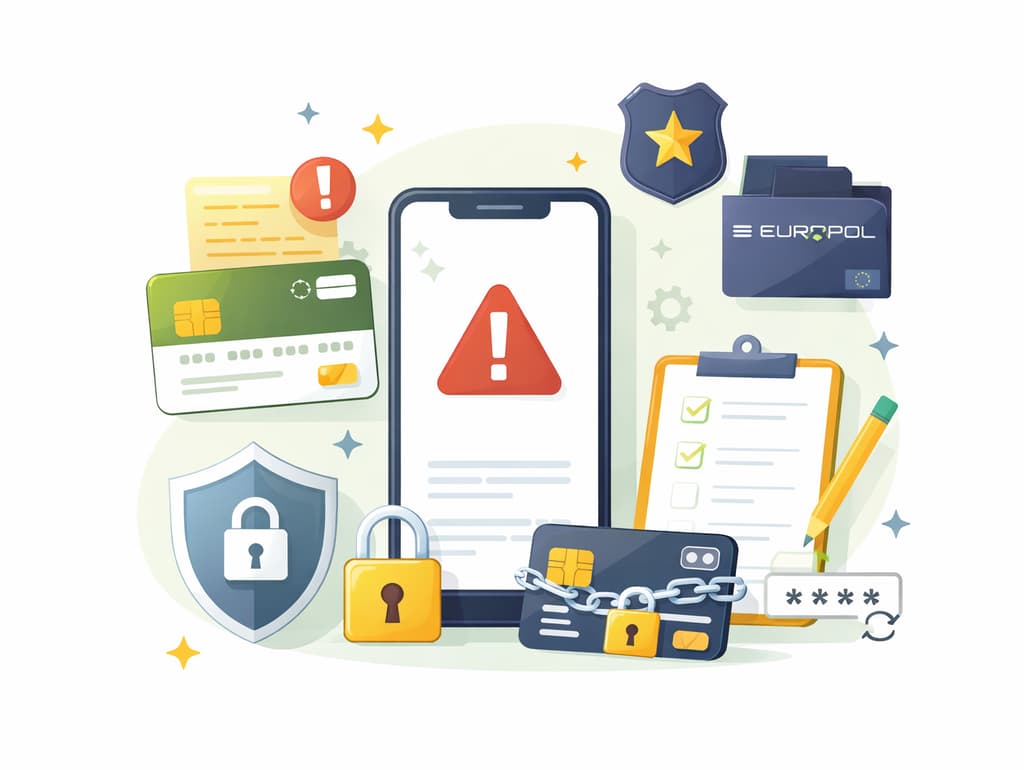
Report the incident to relevant authorities. In Europe, contact your national consumer protection agency and consider filing a report with Europol’s EC3 (European Cybercrime Centre) for significant fraud. Change passwords for affected accounts and any others using similar credentials. Update security questions and enable additional authentication measures. Review your credit report to ensure no identity theft occurred beyond the initial fraud.
Keep records of all communications with the retailer, your bank, and authorities. Save emails, screenshots, and transaction receipts. This documentation proves valuable for dispute resolution and potential legal proceedings.
Ensuring Safe Online Shoe Shopping Experiences
Secure online payments require vigilance and informed decision-making. By understanding payment security fundamentals, choosing protected payment methods, and recognizing trustworthy retailers, you significantly reduce fraud risks. European consumers benefit from strong regulatory protections, but personal caution remains your first defense against payment fraud. Apply these practices consistently when purchasing comfortable shoes online, and you’ll enjoy convenient shopping while keeping your financial information secure.